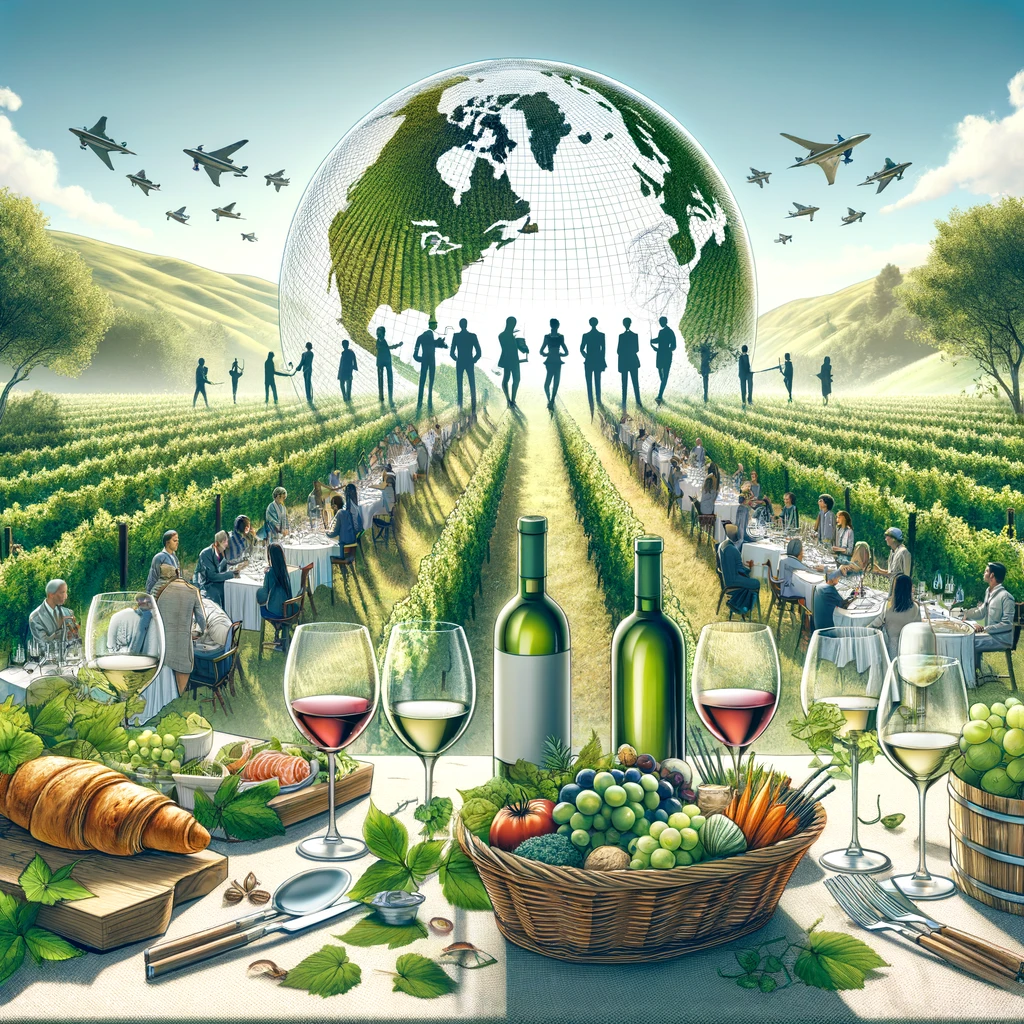
by Corkiby | Dec 16, 2023 | Wine Pairings
A Toast to Tradition
The art of wine pairing, a dance of flavors and senses, is as ancient as wine itself. Picture this: you’re in ancient Rome, reclining at a banquet. Before you is a spread of olives, bread, and cheese, complemented by a robust red wine. This scene depicts one of the earliest known instances of intentional wine pairing. We say pour it down the aqueduct ladies! And coming up are 50 delectable wine pairing ideas for your upcoming dinner parties!

Talk about a grand feast!
Renaissance Revelations
Fast forward to the Renaissance, an era of culinary awakening. Here, the marriage of food and wine became more nuanced. The elite dined on extravagant feasts, where the choice of wine was as crucial as the food. It was a symphony of flavors, where each element played its part in harmony. Talk about a wine pairing made in I be parched heaven. Back then they probably didn’t really care which red wine is best served with what food.

Modern Mastery
Enter the modern era. The 20th century brought a revolution in wine pairing. Sommeliers became the composers of this symphony, understanding that the right wine can elevate a meal or an appetizer and wine pairing from ordinary to extraordinary, whether you’re doing your wine pairing in a restaurant, a tasting or a party, you’ll be like a fortune-telling sommelier in your group of friends. Go with a simple wine pairing ideas if you’re short on time or have an appetizer Wien pairing party for all of your little friends.

Why These Pairings Shine
So, why are our 50 wine pairings so spectacular? It’s all about balance and contrast. Each pairing is a thoughtful match that either complements or contrasts the flavors of the food, creating a balance that delights the palate. And with Corkiby’s Wine Pairing maker you’ll get three different price points for any recipe you create, and you’ll get unlimited wine pairing menu examples Try it out today for free for 3-weeks.
Champagne And Oysters
The effervescence of Champagne cuts through the briny richness of oysters, creating a harmonious balance of flavors that feel like a seaside celebration in your mouth.

Sauvignon Blanc And Goat Cheese
The crisp acidity and grassy notes of Sauvignon Blanc complement the tangy, creamy texture of goat cheese, making it a refreshing and zesty pairing. Don’t forget a nice crusty baguette or some cruchy crackers and tart apples for a classic appetizer wine pairing.

Chardonnay and Grilled Chicken
Rich, buttery Chardonnay pairs wonderfully with the smoky, tender flavors of grilled chicken, enhancing each other’s best qualities. Let it melt into your tongue.

Pinot Noir and Mushroom Risotto
The earthy, soft tannins of Pinot Noir elegantly match the umami-rich, creamy mushroom risotto, creating a sophisticated and comforting combination.

Cabernet Sauvignon and Ribeye Steak
The robust, full-bodied nature of Cabernet Sauvignon stands up to the rich, fatty flavors of a ribeye steak, making it a classic, indulgent pairing.

Cabernet Sauvignon and ribeye steak pairing
Merlot And Roasted Veggies
The medium body and ripe fruit flavors of Merlot beautifully complement the natural sweetness and earthiness of roasted vegetables.

Riesling And Spicy Thai Food
The sweetness and acidity of Riesling provide a cooling contrast to the heat of spicy Thai dishes, balancing the flavors in each bite. Some wine lovers demand sweet wine pairings. And this is the perfect fit!

Syrah/Shiraz And Lamb Chops
The bold, spicy notes of  Shiraz pair perfectly with the rich, gamey flavors of lamb chops, enhancing the meat’s natural flavors.
Zinfandel And Barbecue Ribs
The fruit-forward, peppery profile of Zinfandel works wonders with the smoky, sweet, and tangy flavors of barbecue ribs.

Break out the grill— and the wine!
Prosecco And Prosciutto
The light, bubbly nature of Prosecco cuts through the saltiness of prosciutto, offering a palate-cleansing effect that’s both refreshing and delightful.

Rosé And Bruschetta
The light, crisp nature of Rosé with its subtle fruitiness pairs beautifully with the fresh, herby flavors of bruschetta, creating a perfect summertime snack.

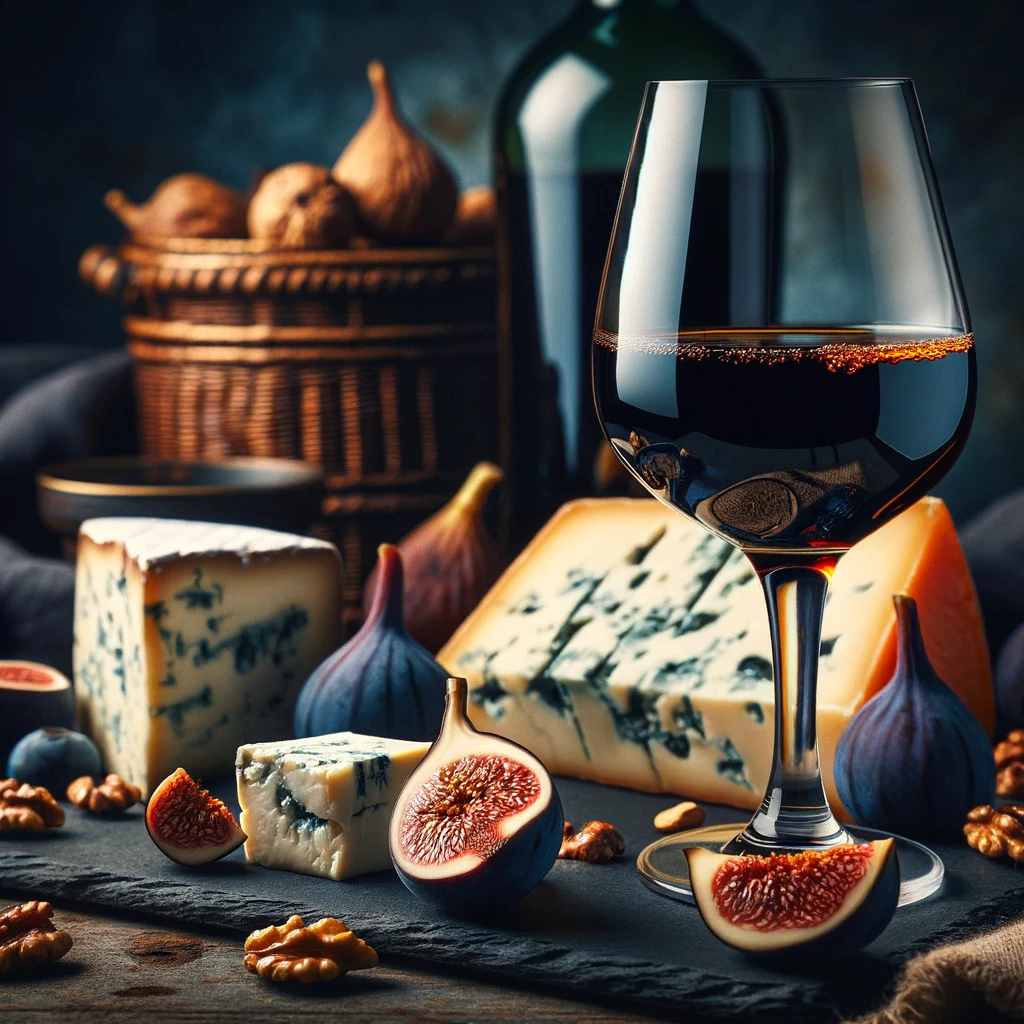
Port And Blue Cheese
The sweet, rich depth of Port contrasts and complements the bold, tangy flavors of blue cheese, creating a luxurious taste experience.
Moscato And Fruit Desserts
The light sweetness of Moscato is an ideal match for fruit desserts, enhancing the natural sweetness of the fruit without overpowering it.

Sangiovese And Margherita Pizza
The acidity and tannins in Sangiovese cut through the richness of the cheese and tomato sauce, making each bite of pizza and sip of wine a perfect match.

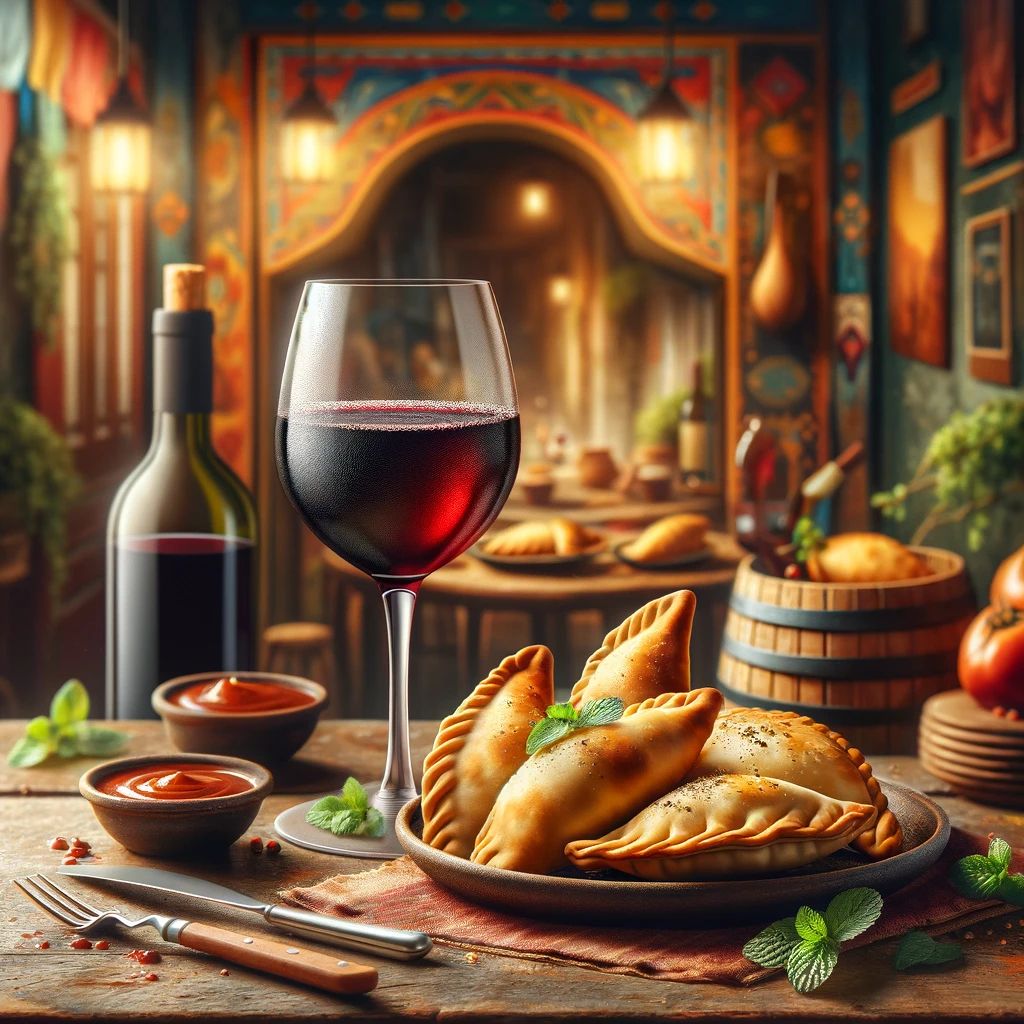
Malbec And Empanadas
The bold, dark fruit flavors of Malbec stand up to the savory fillings of empanadas, complementing the spices and textures beautifully.
Grenache And Paella
Grenache, with its fruity and spicy profile, pairs wonderfully with the complex flavors of Paella, highlighting the dish’s saffron and seafood notes.
Tempranillo And Manchego Cheese
The smooth, velvety Tempranillo complements the nutty, rich flavors of Manchego cheese, making for a classic Spanish pairing.

Barbera And Tomato Pasta
The high acidity and low tannins in Barbera balance the acidity in tomato-based pasta dishes, creating a harmonious blend of flavors.

Beaujolais And Charcuterie
The light body and fruity flavors of Beaujolais are a delightful match for the variety of textures and flavors in a charcuterie board.

Chenin Blanc And Sushi
The versatility and subtle sweetness of Chenin Blanc complement the delicate flavors of sushi, especially with a touch of wasabi or ginger.

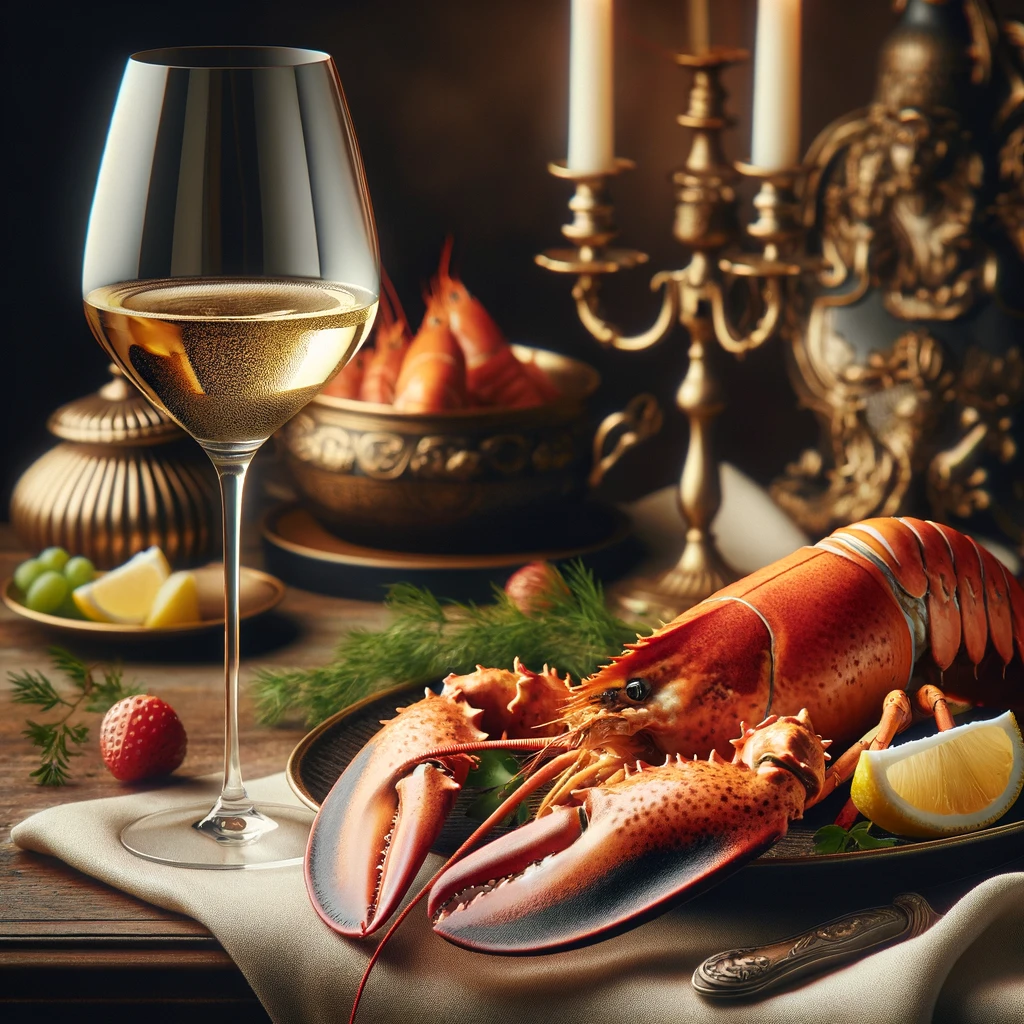
Viognier And Lobster
Viognier, with its full body and floral aromatics, pairs beautifully with the rich, buttery texture of lobster, enhancing its sweet and delicate flavors.
Gewürztraminer And Indian Curry
The bold aromatics and slight sweetness of Gewürztraminer balance the heat and complexity of Indian curries, creating a harmonious interplay of flavors.

Nebbiolo And Truffle Risotto
Nebbiolo’s high tannins and acidity complement the earthy, rich flavors of truffle risotto, making for a luxurious and deeply satisfying pairing.

Pinot Grigio And Seafood Salad
The light, crisp character of Pinot Grigio pairs well with the lightness of seafood salads, highlighting the freshness of the ingredients.

Petite Sirah And Short Ribs
The full-bodied, robust flavors of Petite Sirah stand up to the rich, meaty taste of short ribs, making each bite and sip a hearty experience.

Albariño And Ceviche
The bright acidity and citrus notes of Albariño are a perfect match for the tangy, fresh flavors of ceviche, enhancing the dish’s vibrant profile.

Brunello And Osso Bucco
The intensity and complexity of Brunello di Montalcino pairs exquisitely with the rich, savory flavors of Osso Bucco, creating a truly decadent experience.

Cava And Fried Calamari
The crispness and bubbles of Cava cut through the richness of fried calamari, offering a refreshing contrast that cleanses the palate.

Chianti And Lasagna
The high acidity and rustic charm of Chianti complement the cheesy, tomato-based layers of lasagna, balancing the dish’s richness.

Gamay And Roast Chicken
The light body and fruity notes of Gamay make it an ideal companion for the simple, comforting flavors of roast chicken.

Gamay and roast chicken food and wine pairing
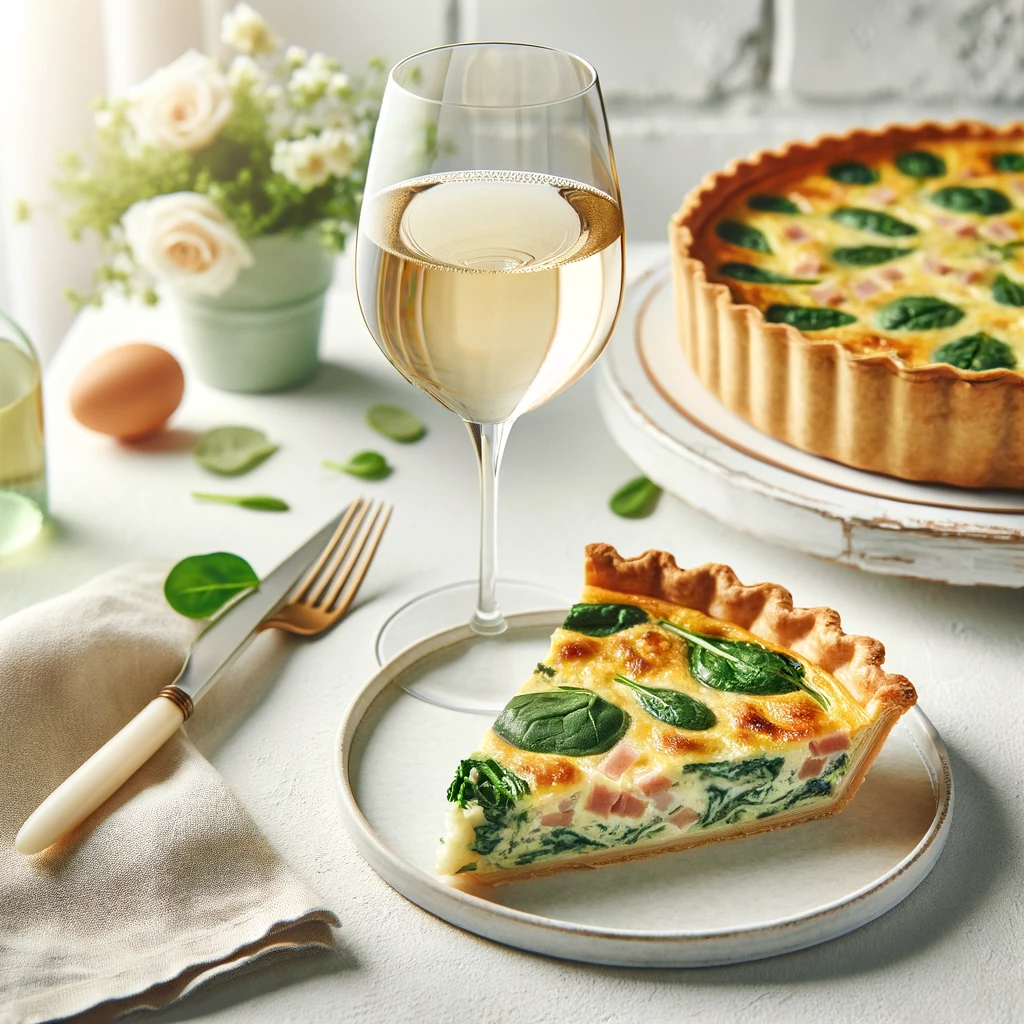
Pinot Blanc And Quiche
The light, floral qualities of Pinot Blanc pair well with the creamy, eggy texture of quiche, enhancing the dish’s subtle flavors.
Rioja And Chorizo
The bold, aged flavors of Rioja meld wonderfully with the smoky, spicy notes of chorizo, creating a powerful and satisfying pairing.

Sémillon And Clam Chowder
The rich, full-bodied nature of Sémillon complements the creamy, briny flavors of clam chowder, making for a comforting and indulgent pairing.

Torrontés And Thai Green Curry
The floral, aromatic profile of Torrontés pairs well with the spicy, complex flavors of Thai green curry, balancing the dish’s heat.

Vermentino And Grilled Fish
The crisp, mineral qualities of Vermentino enhance the delicate flavors of grilled fish, highlighting its freshness.

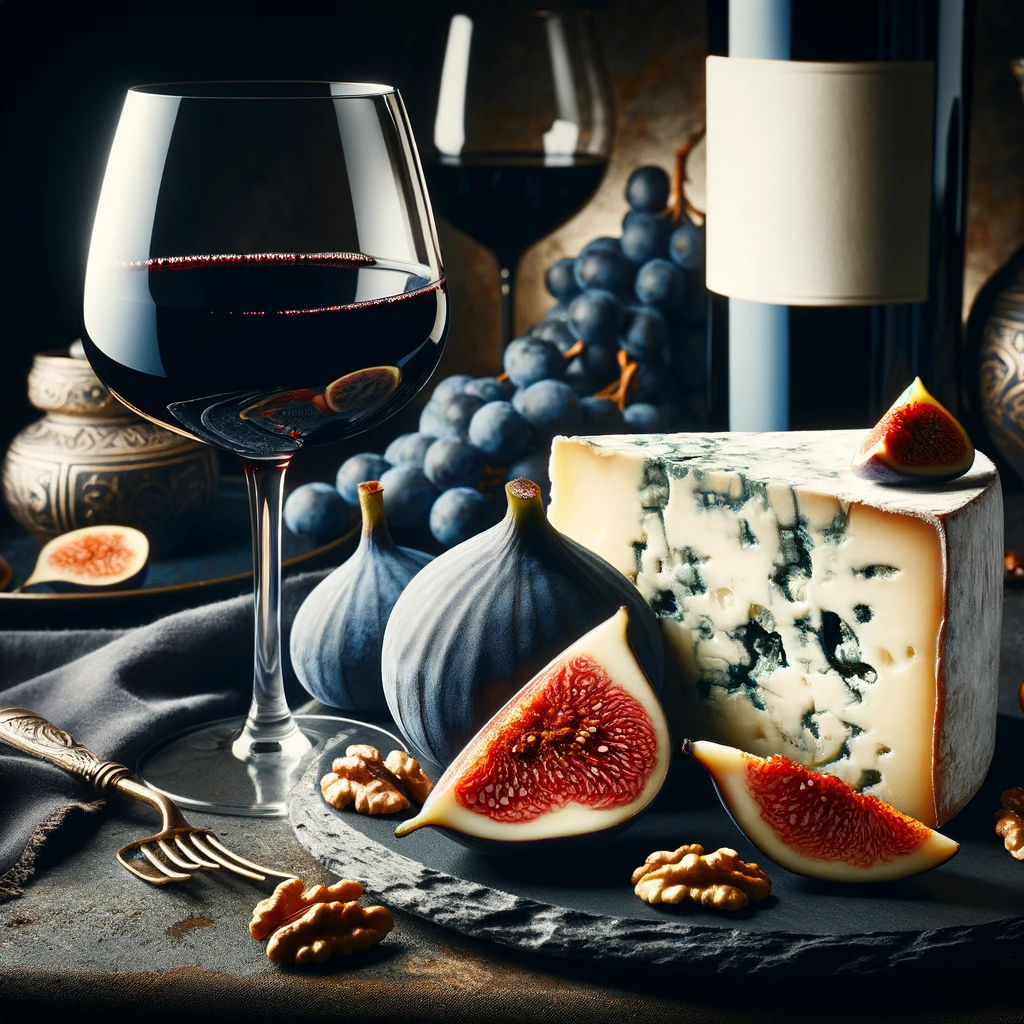
Amarone And Gorgonzola
The powerful, concentrated flavors of Amarone are a perfect match for the strong, pungent taste of Gorgonzola cheese, creating a bold and memorable pairing.
Bordeaux Blend And Prime Rib
The elegance and structure of a Bordeaux blend complement the rich, succulent flavors of prime rib, elevating the dish’s luxurious qualities.

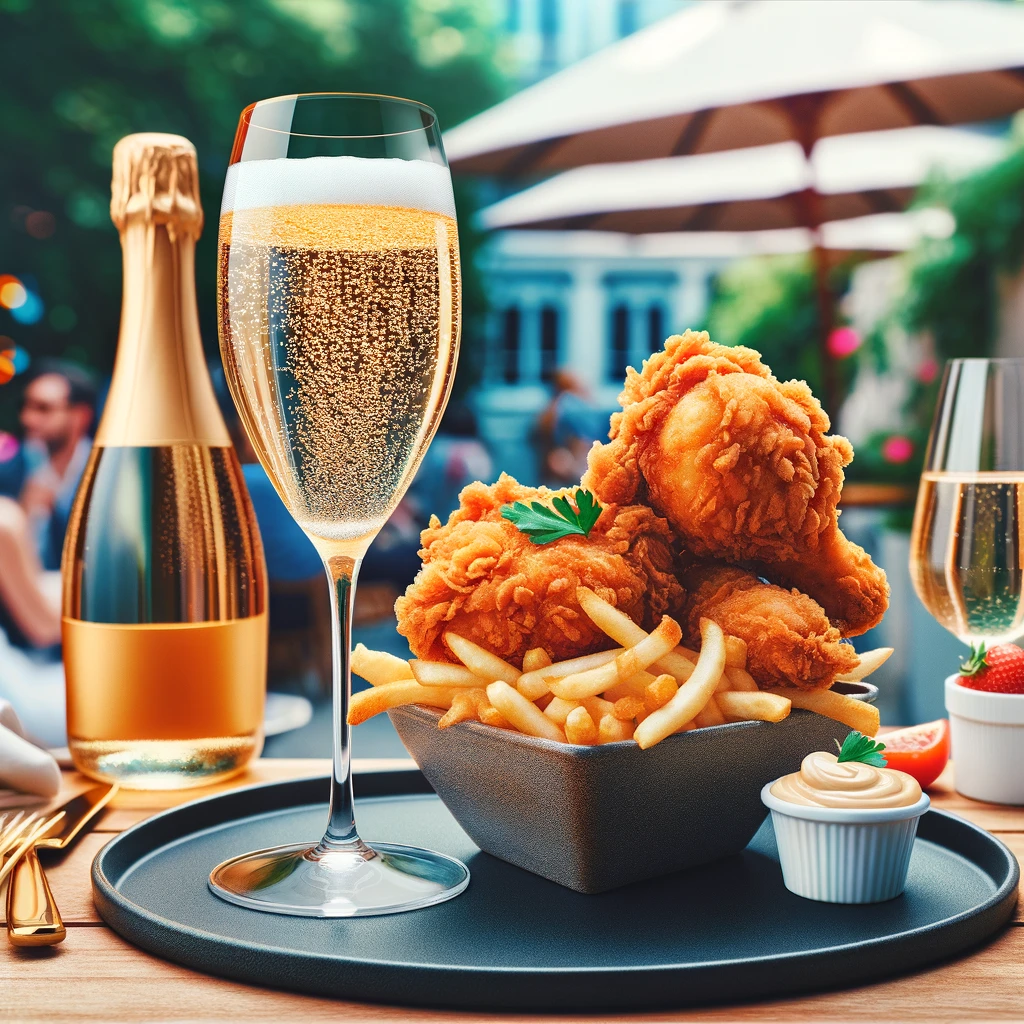
Champagne And Fried Chicken
The high acidity and effervescence of Champagne cut through the fattiness of fried chicken, creating an unexpectedly delightful pairing.
Dolcetto And Antipasto
The light, fruity nature of Dolcetto works well with a variety of antipasto items, balancing the flavors and textures of the different components.

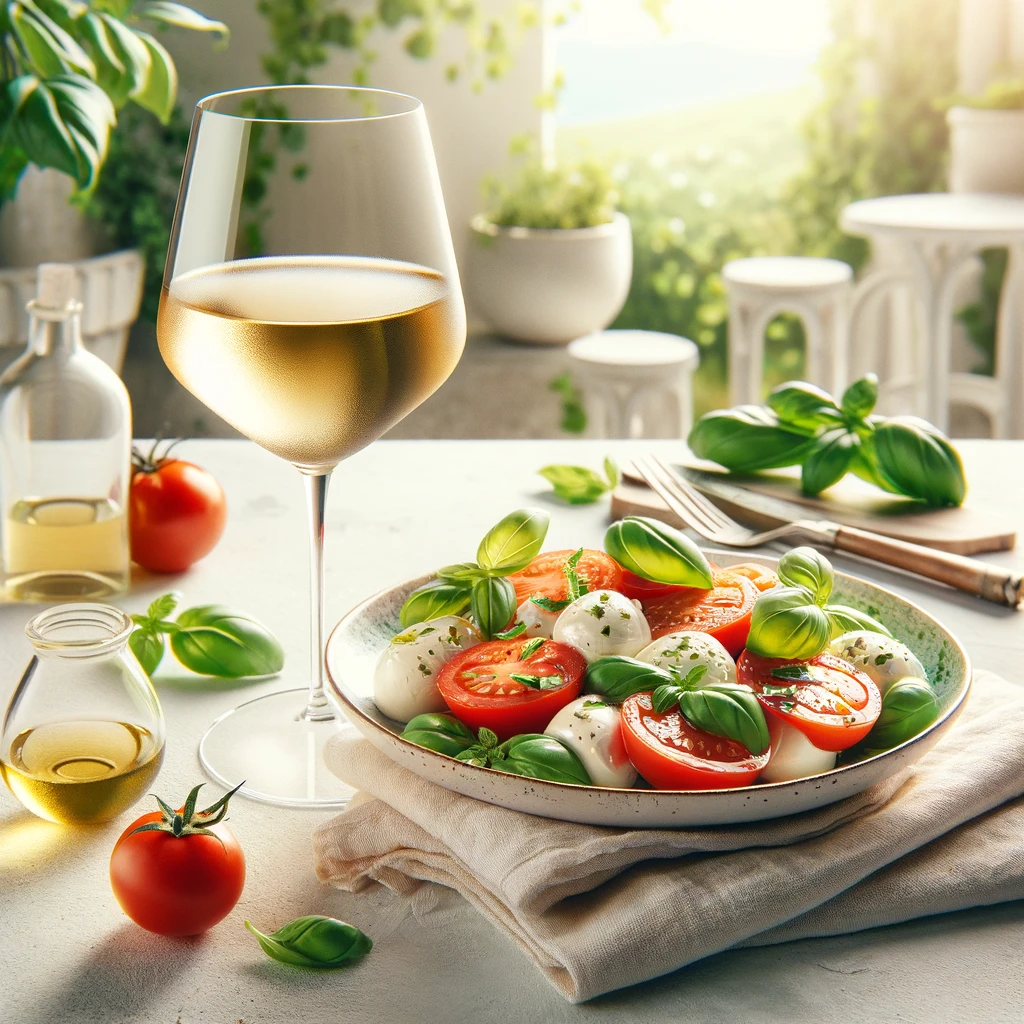
Fiano And Caprese Salad
The freshness and subtle nuttiness of Fiano pair wonderfully with the simplicity of Caprese salad, highlighting the fresh mozzarella and tomatoes.
Godello And Scallops
The balanced, slightly creamy texture of Godello complements the delicate, sweet flavors of scallops, creating an elegant and refined pairing.

Grüner Veltliner And Fresh Salads
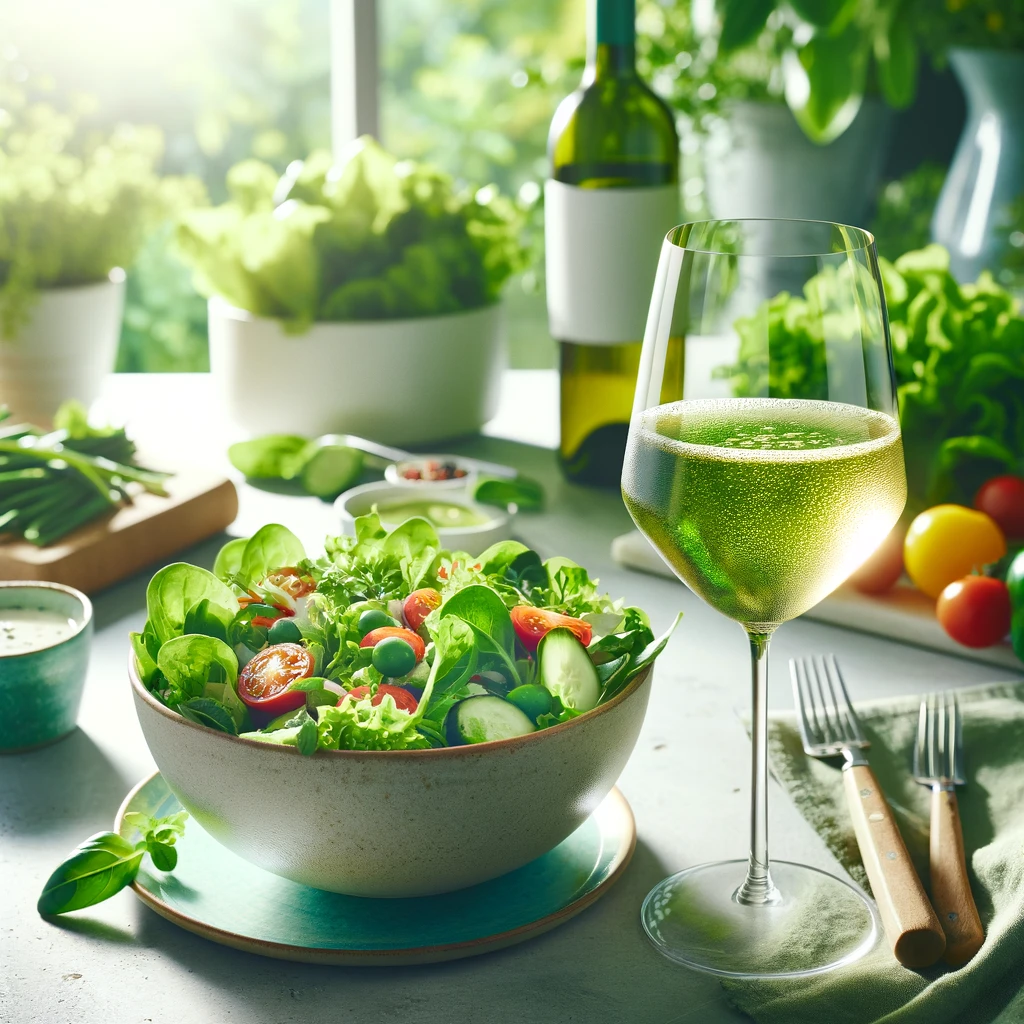
The crisp, peppery notes of Grüner Veltliner enhance the fresh, green flavors of salads, making for a light and refreshing combination.
Marsanne And Roast Turkey
The rich, nutty flavors of Marsanne match well with the savory, tender roast turkey, making it a great choice for festive occasions.

Montepulciano And Bolognese Sauc
The robust, fruity character of Montepulciano pairs beautifully with the rich, meaty flavors of Bolognese sauce, creating a hearty and satisfying meal.

Muscat And Baklava
The sweet, aromatic profile of Muscat echoes the honeyed, nutty flavors of baklava, making for a decadent pairing!

Orange Wine And Moroccan Tagine
The unique, bold flavors of orange wine perfectly complement the aromatic spices and slow-cooked richness of a Moroccan tagine, offering a harmonious blend of exotic flavors.

Pét-Nat And Cheese Fondue
The natural effervescence and bright acidity of Pétillant-Naturel wines cut through the richness of cheese fondue, providing a refreshing and palate-cleansing effect.

Roussanne And Crab Cakes
The medium to full body of Roussanne, along with its floral and herbal notes, pairs wonderfully with the delicate, sweet flavors of crab cakes, enhancing the seafood’s natural flavors.

Soave And Clams
The crisp, clean taste of Soave, with its hints of almond and citrus, complements the briny sweetness of clams, creating a light and harmonious pairing that’s reminiscent of a seaside meal.

Txakolina And Tapas
The high acidity and slight spritz of Txakolina are a perfect match for the variety of flavors found in tapas, especially seafood and pintxos, providing a refreshing counterpoint to the dishes’ richness.

Raising Our Glasses to Endless Discoveries
As our exploration of the enchanting world of wine pairings draws to a close, we’re reminded of the simple yet profound joy that a perfect match can bring to our tables. Each pairing we’ve savored today isn’t just a combination of flavors; it’s a story, a journey through time and culture, a celebration of the art that turns dining into a memorable experience.
In the clink of glasses and the harmony of tastes, we find connections – with history, with each other, and with the world around us. The art of wine pairing teaches us to appreciate the subtle nuances of life, to savor every moment, and to always be curious about the next delightful combination we might discover.
So, as you venture forth into your culinary adventures, remember that the perfect pairing is not just about the wine or the food; it’s about the experience, the memories created, and the joy of sharing. Here’s to your next exquisite sip and bite, to the laughter around the table, and to the countless toasts yet to come.
Cheers to the endless journey of exploration and to the magical pairings that await us all! ????????????
Explore More with Corkiby and it’s food and wine pairing generator—and get 3 weeks FREE!

by Corkiby | Dec 1, 2023 | Sustainable Winemaking
In the intricate dance of nature and nurture that gives birth to the world’s finest wines, a new rhythm is emerging—one that speaks of a deeper connection with the earth and a rekindled respect for its resources. This narrative invites us on a journey to explore how sustainable winemaking is not just transforming the industry but also redefining our relationship with the land and what we drink.
Wine Transforms The World
As we trace the lineage of winemaking, from its ancient roots to the present day, we find a narrative rich with transformation. This tale is not just one of human ingenuity and cultural evolution; it’s also a story of our changing relationship with the earth.
Today, we stand at a pivotal moment where the path of winemaking diverges, leading us towards a future where sustainability is not just an option, but a necessity.
This journey into the world of sustainable wines is an exploration of how the choices we make in the vineyard and the cellar can echo through our landscapes and communities. It’s a story of rediscovery, where each glass of wine holds not just the flavors of its terroir but the promise of a more harmonious relationship with our planet.
The Roots of Wine: A Historical Perspective
The story of wine is as old as civilization itself, intertwined with our history, culture, and even religion. In its earliest days, winemaking was more than a craft; it was a mystical process, seen as a gift from the gods.
Ancient civilizations, from the Egyptians to the Greeks and Romans, not only cherished wine for its intoxicating effects but also revered it for its cultural significance. These early wines were a far cry from what we know today—made in clay pots and amphorae, they were often coarse and unrefined, yet held a place of honor at the table.
As we journey through the annals of history, winemaking begins to evolve. The Middle Ages saw the rise of monasteries as the centers of viticultural knowledge and skill. Monks, with their dedication to learning and experimentation, refined winemaking techniques, selecting better grape varieties, and improving fermentation processes.
This period laid the groundwork for the sophisticated winemaking methods we see today.

Art and science influenced winemaking
The Grapes Made By Revolution
The Renaissance ushered in an era of exploration and discovery, and with it, the spread of viticulture across Europe and beyond. Vineyards were planted in new lands, and the art of winemaking adapted to diverse climates and terrains.
This period was marked by a burgeoning interest in the science of winemaking, as vintners began to understand the complexities of grape cultivation and wine production.
However, the Industrial Revolution brought about the most significant changes in winemaking. The advent of new technologies and the rise of mass production methods transformed the industry. Winemaking shifted from an artisanal craft to a more standardized process.

The history of wine changes every day
Industry And Insects
This era saw the introduction of machinery in vineyards, the use of chemicals to control pests and diseases, and the emergence of large-scale wineries capable of producing vast quantities of wine.
Yet, this march of progress came at a cost. The connection between the winemaker, the vine, and the land began to weaken.
The emphasis shifted from quality and character to quantity and consistency. Vineyards were treated more like factories than ecosystems, with little regard for the long-term health of the soil or the surrounding environment.
This industrial approach to winemaking prioritized efficiency and profit over the subtleties of flavor and the nuances of terroir.
In recent decades, however, we have begun to witness a shift—a return to the roots, if you will. A growing number of winemakers are turning their backs on industrial practices and embracing a more holistic approach.
This movement, known as sustainable winemaking, seeks to reconnect with the ancient wisdom of viticulture, where the health of the vineyard and the quality of the wine are inextricably linked to the well-being of the earth.
The Vineyard as an Ecosystem: Understanding Sustainable Practices
As we delve deeper into the story of wine, we turn our gaze to the vineyard itself—a tapestry of life, where each element plays a crucial role in the creation of wine. Sustainable viticulture recognizes the vineyard not just as a production site, but as a living ecosystem.
This approach marks a departure from the industrial mindset, rekindling a relationship with the land that is rooted in respect and stewardship.
In sustainable vineyards, the vines coexist with a variety of plants and animals, each contributing to the health and balance of the environment. Cover crops are planted between vine rows to prevent soil erosion, enhance soil fertility, and encourage biodiversity.
These plants, ranging from clovers and mustards to native grasses, attract beneficial insects and promote a natural balance, reducing the need for chemical pesticides.
Water management is another cornerstone of sustainable viticulture. Recognizing the precious nature of this resource, sustainable vintners employ practices like drip irrigation, which delivers water directly to the vine roots, reducing waste and encouraging deeper root growth.
In regions prone to drought, rainwater harvesting and water recycling are used to minimize the vineyard’s water footprint.
Perhaps the most significant aspect of sustainable winemaking is its emphasis on soil health. The soil is the foundation of the vineyard, the source of nourishment for the vines, and the reservoir of the terroir’s unique characteristics.

What will the world of grapes look like in the future?
Dirt Matters
Sustainable vintners nurture their soil through organic matter additions, composting, and minimal tillage, ensuring that it remains vibrant and alive. This approach not only produces healthier vines but also helps sequester carbon, contributing to the fight against climate change.
Pest management in sustainable vineyards is a far cry from the chemical-heavy approaches of the past. Instead of relying on synthetic pesticides, sustainable winemakers use integrated pest management (IPM) strategies. These include encouraging natural predators, using pheromone traps, and even introducing beneficial insects to control pest populations.
While these practices are beneficial for the environment, they also have a profound impact on the grapes and the wine they produce. Vines that are nurtured in a healthy, balanced ecosystem tend to be more resilient and can express the unique qualities of their terroir more vividly.
The result is a wine that not only tastes better but tells a story of a land cared for and cherished.
The movement towards sustainable viticulture is also a response to the growing challenges of climate change. Winemakers are increasingly aware of the impacts of rising temperatures, unpredictable weather patterns, and the shifting boundaries of wine regions.
Sustainable practices offer a pathway to adapt and mitigate these challenges, ensuring that the art of winemaking can continue for generations to come.
In embracing sustainability, we are witnessing a return to the ancient wisdom that views the vineyard as a microcosm of the natural world. This approach is not just about preserving the environment; it’s about enhancing the quality of the wine and enriching our experience as consumers.
When we choose a wine produced in a sustainable vineyard, we are not just enjoying a beverage; we are participating in a story of harmony between humankind and the earth.
The Flavor of Sustainability: Tasting the Difference
In the quest to understand the true essence of wine, we must consider not just how it is made, but also the deeper implications of the choices behind each bottle.
The shift towards sustainable winemaking brings with it a question: How do these earth-friendly practices influence the very soul of the wine—the flavor, aroma, and texture that dance upon our palate?
The relationship between sustainable practices and the flavor profile of wine is complex and profound. The health of the vineyard, the vitality of the soil, the balance of the ecosystem—all contribute to the characteristics of the grapes and, ultimately, the wine.
Vines that grow in a diverse, well-nurtured environment tend to produce grapes that are more balanced and flavorful. These grapes reflect the true nature of their terroir—the unique combination of soil, climate, and topography that imparts distinctive qualities to the wine.
Sustainable winemaking often leads to more careful and attentive vineyard management. Vintners who embrace these practices tend to be deeply connected to their land and vines, and this connection is reflected in their winemaking. They often pick grapes at the optimal moment, ensuring that the fruit’s natural flavors and sugars are in perfect harmony.
This attention to detail extends to the cellar, where sustainable winemakers might use natural yeast for fermentation, avoid over-processing, and limit the use of additives, allowing the wine’s true character to shine through.
The flavor of sustainable wines is often described as more authentic and pure. Consumers and wine critics alike have noted that these wines tend to have a clarity of flavor, a vivid expression of fruit, and a harmonious balance that is sometimes lost in more industrially produced wines.
The absence of heavy-handed chemical interventions allows the nuanced notes of the grape and the land to come to the forefront.
But it’s not just about the taste. Sustainable wines carry with them a story—a narrative of care, respect, and connection to the earth. This story, intangible as it may be, adds an additional layer of enjoyment to the experience of drinking wine.
Knowing that a wine was produced in a way that protects the environment and supports the well-being of the vineyard workers can enhance the pleasure of every sip.
Furthermore, sustainable wines are often produced by smaller, artisanal wineries. These producers bring a level of passion and personal touch to their wines that is sometimes lacking in larger, more commercial operations.
Each bottle is a testament to their dedication and commitment to both quality and sustainability.
The increasing popularity of sustainable wines suggests that consumers are not just seeking a high-quality product, but also an alignment of their personal values with their purchasing choices.
The success of these wines in the market is a clear indication that sustainability and quality can go hand in hand, and that the future of winemaking lies in a more thoughtful, eco-conscious approach.
In the end, the flavor of sustainability is about more than just taste. It’s about a deeper connection to the world around us, a respect for the land that provides us with these beautiful wines, and a commitment to preserving that land for future generations. It’s about enjoying wine in a way that is both pleasurable and responsible—a true celebration of the art and science of winemaking.

Wine house on the hill
The Global Landscape: Sustainable Winemaking Around the World
As we journey through the world of wine, it becomes clear that sustainable winemaking is not confined to a single region or culture. Instead, it’s a global movement, with roots spreading across continents and influencing a diverse range of wine-producing areas.
Each region, with its unique climate, soil, and traditions, brings a different perspective to sustainable viticulture, enriching the tapestry of this worldwide endeavor.
In Europe, the cradle of winemaking, sustainable practices are often intertwined with centuries-old traditions. In France, for example, regions like Bordeaux and Burgundy, known for their prestigious wines, are seeing a growing number of vintners embracing organic and biodynamic practices.
These winemakers are not just looking to the future; they’re also rediscovering and respecting the ancient wisdom of their land.
The World Is The Winemakers Playground
Italy, too, is a notable player in the sustainable winemaking scene. From the sun-drenched hills of Tuscany to the volcanic soils of Sicily, Italian vintners are combining modern sustainable techniques with traditional methods.
Their wines reflect the rich history of Italian winemaking, yet carry the forward-thinking spirit of environmental stewardship.
Across the Atlantic, the United States has become a hotbed of sustainable winemaking innovation. California, in particular, stands out as a leader in this field. The state’s wine industry has embraced sustainability with vigor, integrating advanced technologies and sustainable practices in both vineyards and wineries.
This approach is not just about environmental ethics; it’s also about adapting to the challenges posed by California’s changing climate.
In the Southern Hemisphere, countries like New Zealand and Australia are pioneering unique approaches to sustainability. New Zealand’s wine industry, for example, is renowned for its commitment to environmental protection.
The country’s winemakers have established comprehensive sustainability programs, covering everything from energy efficiency to water conservation and biodiversity.
South America, too, has joined the sustainable winemaking movement. In Argentina and Chile, wineries are harnessing the power of the Andes Mountains and the unique microclimates to produce wines that are not only delicious but also created with a deep respect for the natural environment.
Each of these regions contributes its own voice to the chorus of sustainable winemaking. What unites them is a shared recognition of the need to preserve the earth and its resources. This global perspective enriches the world of wine, offering a kaleidoscope of flavors, styles, and stories, all rooted in a commitment to sustainability.
The diversity of sustainable winemaking practices around the world also highlights the adaptability and resilience of this approach. Whether it’s dealing with the challenges of climate change, preserving ancient winemaking traditions, or incorporating cutting-edge technologies, sustainable winemaking demonstrates that it’s possible to create exceptional wines while caring for the planet.
As consumers, exploring the global landscape of sustainable wines offers an opportunity to not only savor the unique characteristics of different regions but also to support a worldwide movement towards a more responsible and conscious approach to winemaking.
Each bottle from these varied regions is not just a product of its terroir, but also a testament to the global commitment to sustainability in the wine industry.
The Consumer’s Role: Impact of Choosing Sustainable Wines
In the evolving narrative of wine, the role of the consumer is pivotal. As the demand for sustainable wines grows, it drives a significant shift in the industry. The choices we make as consumers do more than just satisfy our palate; they send a message to winemakers about the values we want to see reflected in the industry.
The power of consumer choice in driving sustainability is evident in the growing availability and variety of sustainable wines in the market. This demand encourages more winemakers to adopt sustainable practices, knowing there is a receptive and appreciative audience.
When consumers choose wines from vineyards that prioritize environmental health, social responsibility, and economic viability, they support an entire ecosystem of sustainable practices.
Understanding and navigating the world of sustainable wines can, however, be a challenge. Labels like ‘organic’, ‘biodynamic’, and ‘sustainable’ are often used, but their meanings can vary.
Organic vs Sustainable
Organic wines, for example, are made from grapes grown without synthetic pesticides or fertilizers, while biodynamic wines take a more holistic approach, treating the vineyard as a self-sustaining ecosystem.
Wines simply labeled as ‘sustainable’ may indicate a broader commitment to environmental and social responsibility, but the specifics can vary from one winery to another.
For the conscious consumer, learning to decipher these labels and certifications becomes part of the journey.
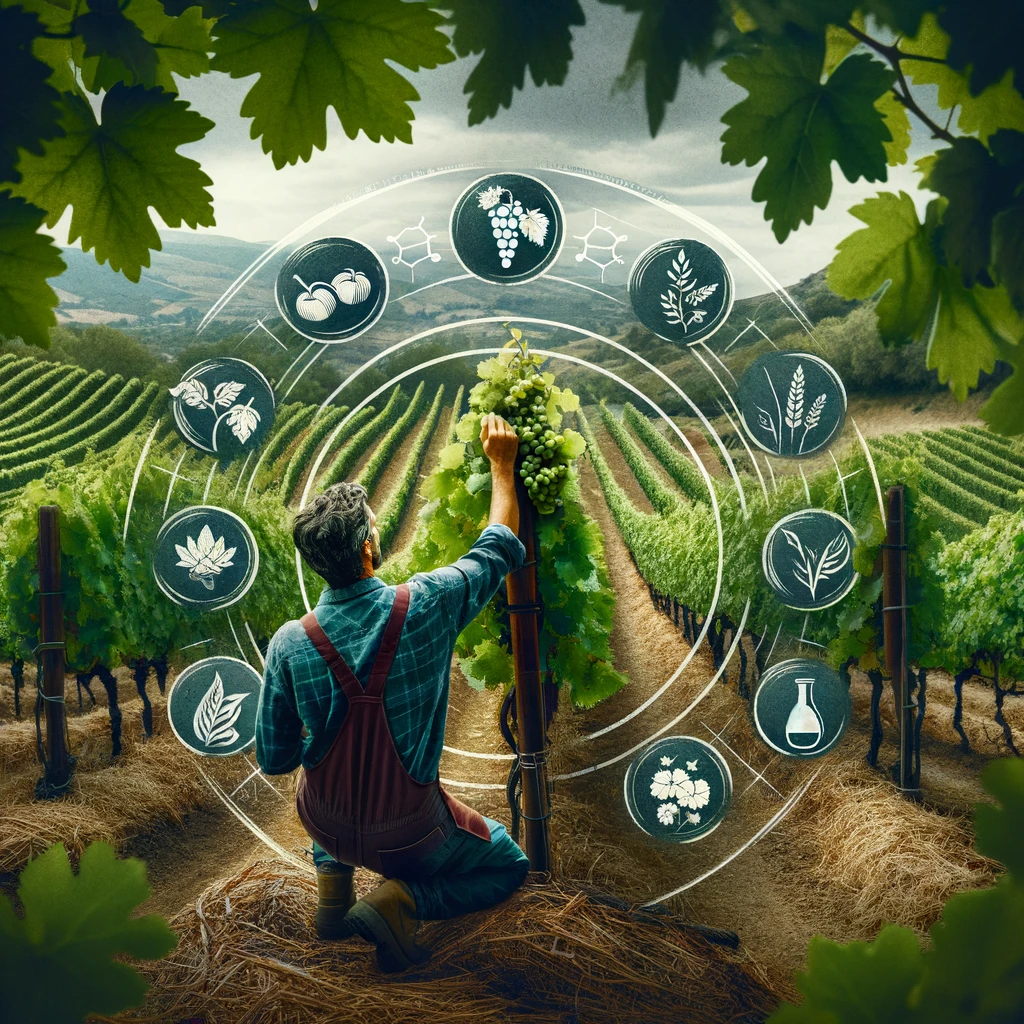
Farming grapes connects people
Enjoy Local
Another way consumers impact sustainable winemaking is through their support of local wineries and small-scale producers. By choosing wines from smaller, local vineyards, consumers can help reduce the carbon footprint associated with transporting wines over long distances.
Moreover, supporting local wineries often means contributing to the preservation of regional winemaking traditions and the local economy.
The rise of wine tourism offers yet another avenue for consumer influence. Visitors to sustainable vineyards and wineries can see firsthand the practices being employed, from water conservation methods to solar-powered cellars.
This direct engagement not only educates consumers about sustainable winemaking but also fosters a deeper connection between the wine drinker and the source of their wine.
Consumer advocacy and education also play a crucial role. As consumers become more knowledgeable about the impact of their choices, they can advocate for more sustainable practices within the industry.
Raise Your Glass— And Your Voice
This can range from requesting more sustainable options at local stores and restaurants to participating in wine tasting events that focus on eco-friendly wines.
In essence, the consumer’s role in sustainable winemaking is as integral as that of the winemaker. Each choice made in the wine aisle or at a tasting room is a vote for the kind of world we want to live in.
It’s a powerful statement that sustainability matters—not just in the vineyards and wineries but in our homes and communities. As the collective palate of wine drinkers evolves to appreciate not only the taste but also the story and impact of their wine, we pave the way for a future where sustainability is the norm, not the exception.
The Future in a Glass: Innovations and Trends in Sustainable Winemaking
As we gaze into the crystal ball of winemaking, the future sparkles with promise, driven by innovation and a deepening commitment to sustainability.
The wine industry, ever dynamic, is ripe for change, adapting to new challenges and embracing technologies and practices that not only enhance the quality of wine but also protect the planet.
One of the most exciting trends in sustainable winemaking is the integration of technology. Precision viticulture, which uses data and analytics to optimize vineyard management, is on the rise.

The future of wine is here
High-Tech Vineyards Will Be The New Normal
Drones, satellite imagery, and soil sensors allow winemakers to monitor vine health, soil moisture, and nutrient levels with unprecedented accuracy. This technology enables more efficient use of resources, such as water and organic fertilizers, minimizing waste and environmental impact.
Wine In A Box?
Another innovative approach gaining traction is the use of alternative materials in both packaging and production. The traditional glass wine bottle, while elegant, contributes significantly to the industry’s carbon footprint due to its weight and the energy consumed in production.
Forward-thinking winemakers are exploring lighter, recycled, and even plant-based materials for packaging. These efforts not only reduce the carbon footprint but also open up new possibilities in wine presentation and storage.
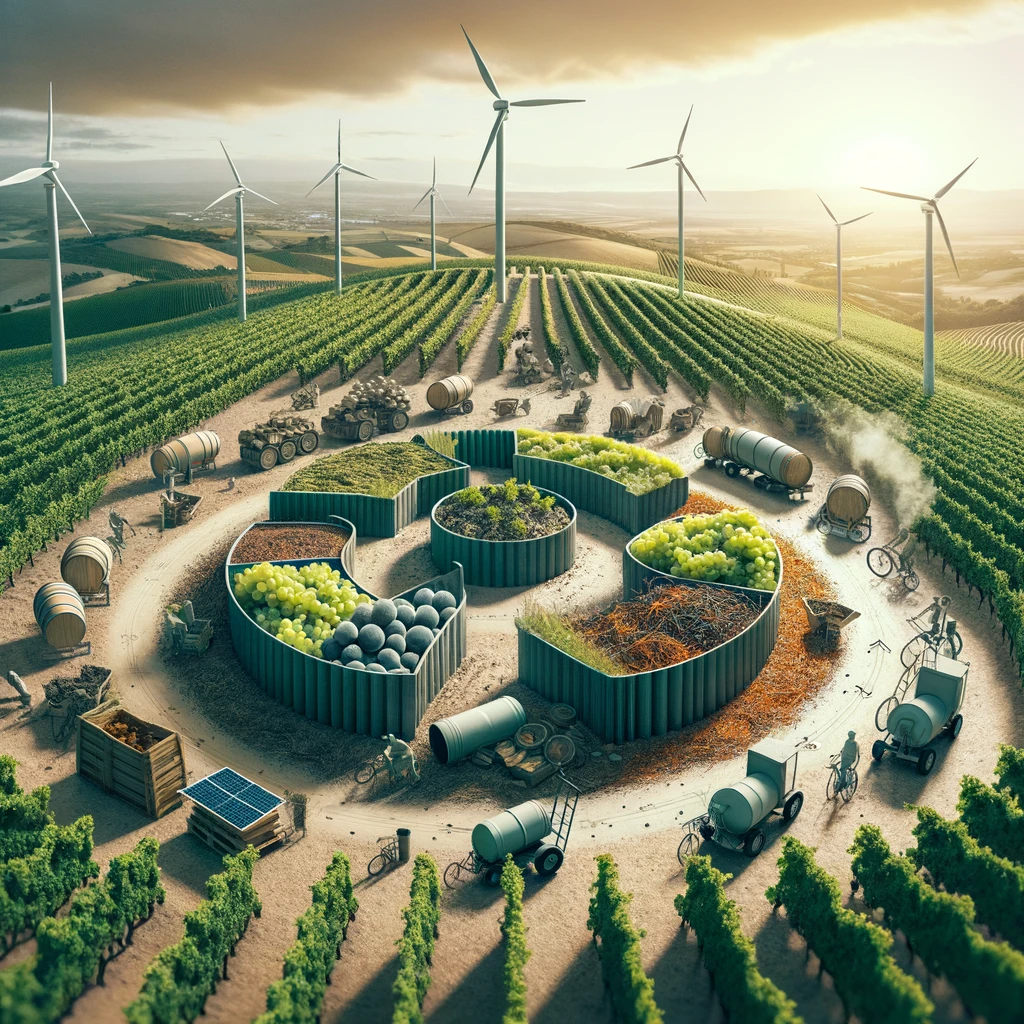
Round winery farm
Let The Wine Go Round
The concept of circular winemaking is also emerging as a key element of sustainable practices. This approach seeks to create a closed-loop system where waste is minimized, and byproducts are repurposed.
Grape pomace, the solid remains after pressing, can be used as compost, animal feed, or even in the creation of grape seed oil and skincare products. Water recycling and renewable energy sources, such as solar and wind power, are becoming standard features in modern, eco-conscious wineries.
In the vineyard, regenerative agriculture practices are taking root. This holistic approach goes beyond sustainability; it aims to actively regenerate and revitalize the soil and ecosystem. Through techniques like cover cropping, rotational grazing, and reduced tillage, regenerative agriculture enhances biodiversity, improves water cycles, and strengthens the resilience of the land.
Climate change, an omnipresent challenge, is also shaping the future of winemaking. Wineries are not only adapting to the changing climate but are also working to mitigate their impact. From exploring grape varieties that are more drought and heat-resistant to adjusting planting strategies and harvest times, winemakers are finding innovative ways to maintain quality in the face of climatic shifts.
As we look forward, the role of the consumer in this sustainable future remains crucial. An informed and engaged consumer base can drive demand for innovative and eco-friendly wines, supporting wineries that prioritize the health of the planet.

Consumers and grape growers unite
Speak Your Wine
Education and awareness will be key, as will the willingness to embrace new trends and technologies.
The future of winemaking is a blend of tradition and innovation, of respecting the past while boldly embracing the future. In every bottle of sustainably produced wine lies not just a delightful beverage but a vision of a greener, more responsible industry.
As we raise our glasses, we celebrate not just the wine but the promise of a future where sustainability and quality go hand in hand.
Raising a Glass to a Greener Future
As we conclude this journey through the world of sustainable winemaking, it’s clear that what we hold in our glasses is more than just wine. It’s a symbol of a growing consciousness, a testament to the harmonious relationship that can exist between humans and the environment.
Each sip is a reminder of our potential to make choices that honor the earth, celebrate craftsmanship, and embrace the future.
The story of sustainable wine is not just about individual wineries or specific practices. It’s about a collective movement towards a more thoughtful approach to winemaking—one that values the health of our planet as much as the quality of the wine it produces.
It’s about recognizing that each step in the vineyard, each decision in the cellar, and each purchase we make as consumers can contribute to a larger story of sustainability.
As consumers, our role in this narrative is pivotal. Our choices can influence the industry, encouraging more winemakers to adopt practices that respect the earth and its resources.

Sustainable wines taste this good
You Have The Right To Wine
By seeking out and enjoying sustainable wines, we become part of a positive change, supporting an industry that looks to the future with hope and responsibility.
The future of winemaking is undoubtedly challenging, with climate change and environmental concerns presenting new hurdles. But it’s also an opportunity—an opportunity to innovate, to adapt, and to rekindle our connection with the land.
The strides being made in sustainable winemaking are not just steps towards better wine; they are steps towards a better world.
As we raise our glasses to the future, let us do so with a sense of purpose and optimism.
Let us savor not just the wine but also the journey it represents—a journey towards a future where the vines grow in harmony with the environment, where the wine flows with a story of sustainability, and where each glass is a toast to a greener, more vibrant planet.

by Corkiby | Oct 30, 2023 | Seasonal and Holiday Cooking
Thanksgiving, with its mouthwatering dishes and the joy of gathering, is a time for indulgence and gratitude. But what happens when your guest list includes friends and family with various dietary restrictions? Fret not, because Corkiby is here to help you create a Thanksgiving meal that caters to everyone’s tastes and needs.
Step 1: Dietary Preferences and Allergies
Start by gathering information about your guests’ dietary preferences and allergies. Use Corkiby’s customizable recipe feature to input these details. You can specify who’s vegetarian, vegan, gluten-free, or has other dietary restrictions.
Step 2: Recipe Suggestions
Corkiby’s magic begins as it generates recipe suggestions based on your guests’ preferences. Whether Aunt Sarah is vegan, Uncle Joe is gluten-free, or your cousin Mark is a carnivore, Corkiby will offer a variety of Thanksgiving recipes that suit their tastes.
Step 3: Customization
Now comes the fun part. With Corkiby, you can customize each recipe to accommodate specific dietary needs. Swap ingredients, adjust portion sizes, or even change the cooking method to suit your guests’ requirements. For example, transform that classic stuffing into a gluten-free masterpiece or make a vegan gravy that everyone will love.
Step 4: Wine Pairing
Thanksgiving isn’t complete without wine. Corkiby also offers wine pairings that complement your customized dishes. So, whether you’re serving turkey, tofu, or a gluten-free stuffing, you can find the perfect wine to enhance the flavors.
Step 5: Meal Planning
Once your recipes are customized and your wine pairings are set, Corkiby helps you plan your Thanksgiving meal. It generates a shopping list that considers all the unique ingredients for your customized dishes. This ensures that you have everything you need to create a delightful feast.
Step 6: Cooking Instructions
Corkiby provides detailed cooking instructions for each dish, so you can confidently prepare a Thanksgiving meal that’s as delicious as it is accommodating. Whether you’re a seasoned chef or a first-time cook, Corkiby’s user-friendly guidance ensures a stress-free cooking experience.
Step 7: Celebrate and Enjoy
With Corkiby’s help, you’ve created a Thanksgiving feast that caters to everyone’s dietary restrictions and preferences. Gather around the table, share stories, and savor the flavors of a meal that brings loved ones together. After all, Thanksgiving is about gratitude, and what better way to show it than by accommodating those you cherish most?
The Benefits of Using Corkiby for Thanksgiving Planning
Now that we’ve walked through the steps, let’s dive deeper into the benefits of using Corkiby to plan your Thanksgiving feast.
1. Inclusivity: Corkiby ensures that no one is left out of the Thanksgiving feast. Whether your guests are vegan, gluten-free, or have other dietary restrictions, Corkiby empowers you to create a meal that caters to their needs.
2. Stress Reduction: Planning a Thanksgiving meal can be overwhelming, especially when you have to consider dietary preferences and allergies. Corkiby streamlines the process, making it easier and less stressful.
3. Creativity: Corkiby’s recipe suggestions spark creativity in the kitchen. It introduces you to new dishes and flavor combinations, allowing you to explore the culinary world while accommodating dietary restrictions.
4. Wine Pairing Expertise: Finding the right wine to complement your dishes can be challenging. Corkiby takes the guesswork out of wine pairing, ensuring that each course is perfectly matched with a delicious wine.
5. Time Savings: With Corkiby’s meal planning and shopping list generation, you’ll save time on preparation and avoid last-minute grocery store rushes.
6. Environmental Impact: By customizing your meal and buying ingredients intentionally, you can reduce food waste and your environmental footprint, aligning with sustainable Thanksgiving practices.
7. Family Bonding: Corkiby encourages family involvement in the meal planning process. It can be a fun activity to sit down with loved ones and customize the menu together, fostering a sense of togetherness.
8. Memorable Dining Experience: Ultimately, Corkiby helps you create a Thanksgiving feast that’s not only accommodating but also memorable. Your guests will appreciate the thought and effort put into every dish.
The Joy of a Corkiby Thanksgiving
In conclusion, Corkiby is your secret ingredient for a Thanksgiving meal that delights the taste buds and warms the heart. Its customization options, creative recipes, and wine pairings ensure that your feast is inclusive, stress-free, and a true celebration of gratitude.
So, as you gather with loved ones around the Thanksgiving table, let Corkiby be your culinary ally. Create a feast that accommodates everyone’s dietary needs and preferences, and savor the joy of a Thanksgiving where no one is left out. With Corkiby, it’s a celebration of inclusivity, creativity, and the delicious flavors of gratitude. Happy Thanksgiving! ????????????️